In this unit, students use observations to understand the basic needs of animals. Students explore how animals need things to eat and a safe place to live, and also how animals can change their environments to meet those needs.
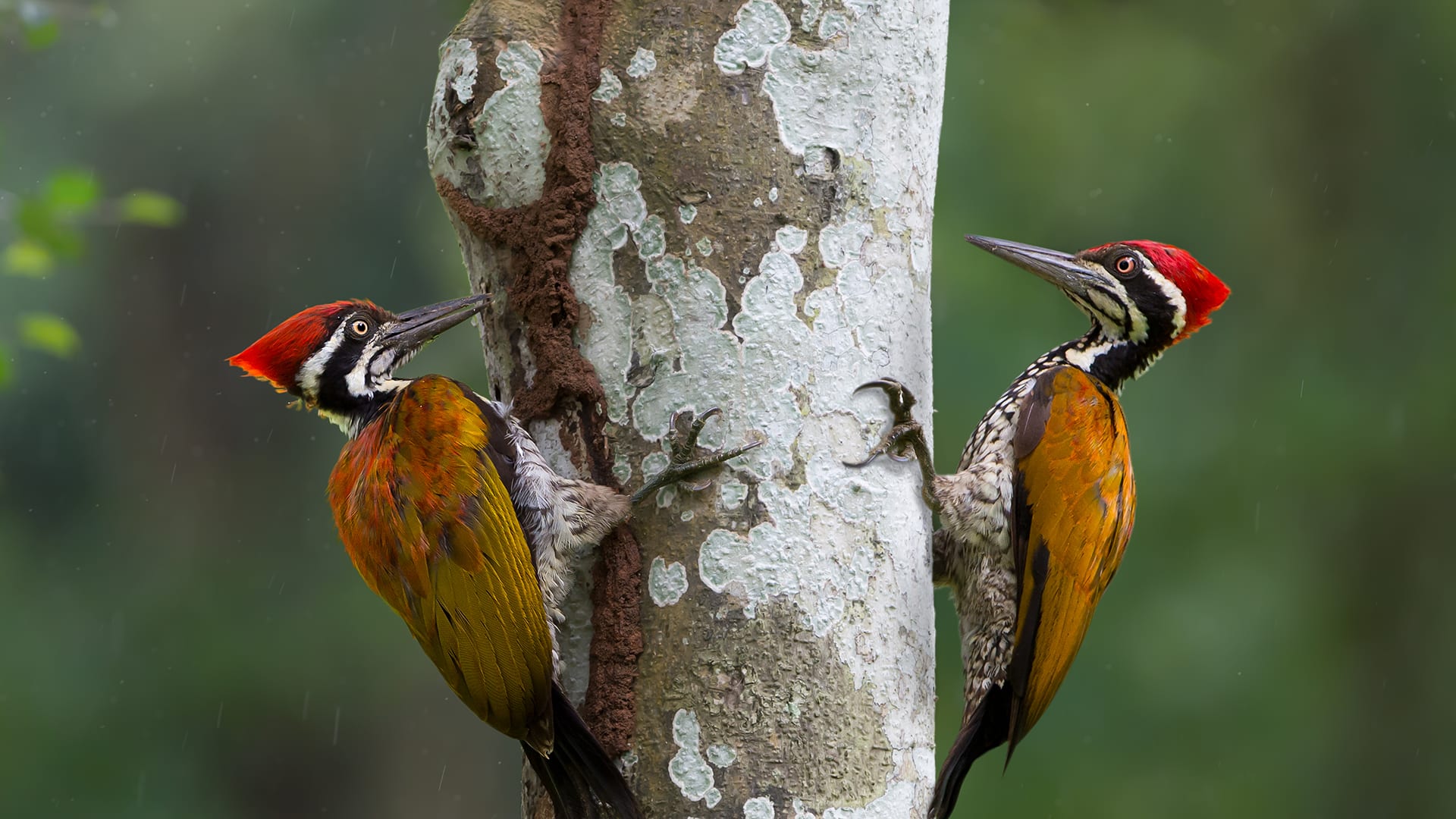
In this lesson, students observe animal behaviors and work to discover a pattern: all animals seek food in order to survive. The activity, Eat Like an Animal, includes physical movement in which students act out animal behaviors, pretending to be quail scratching in the dirt, raccoons wading in the water, and woodpeckers pecking a log.
Make sure students have enough space to move around as they pretend to be different animals in the forest.
Since there’s so little prep for this activity, we recommend you also do one of the activities in the Extensions section. To understand what animals need, it’s important that children have a chance to observe them. You can provide that opportunity by attracting birds with a bird feeder, taking your class on a nature walk or field trip, or having your students observe animals through videos.
Read-Along Lesson 2: Animal Needs: Shelter
In this Read-Along lesson, Sofia wonders where animals live and goes for a walk in the woods to find out. The lesson includes a short exercise where students pretend to be squirrels and learn about their habitats. You can extend the lesson with the optional activity, Nature Nuggets, where students explore other animal homes.
As an optional activity, we suggest having your students view a one-minute video of animals at home and then discuss what they noticed.
The video is on the Nature Nuggets site, which offers a combination of videos and activities created by the makers of the documentary film series Nature. Preview it here.
Here are some possible questions for discussion:
What animals did you see in the video?
Where do the animals live? How do you know?
If the animals could talk, what would you ask them?
Lesson 3: Animal Needs: Safety
In this lesson, students observe different animal behaviors and work to discover another pattern: all animals seek safety in order to survive. The activity, Gopher in a Hole, includes physical movement in which students pretend to be snails hiding in their shells, praying mantises scaring away predators, and gophers popping out of holes.
Make sure students have enough space to move around as they pretend to be different animals.
Since there’s so little prep for this activity, we recommend you plan on doing one of the activities in the Extensions. To understand how animals seek safety, it’s important that children have a chance to observe them. You can provide that opportunity by keeping pet snails, exploring a grassy lawn, going for a nature walk, or watching videos to learn what animals make their homes in a hole in a tree.
Read-Along Lesson 4: Animals & Changing the Environment
In this Read-Along lesson, Desiree notices all the holes in the trees around her house—and sets out to discover how they got there, and why they matter. The lesson includes a short exercise where students listen for animal sounds and pretend to be woodpeckers. You can extend the lesson with the optional activity, Nature Explorers, where students go for a nature walk and look for animals in their homes.
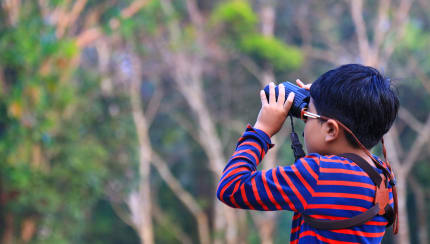
As an optional activity, we suggest you go on a nature walk. It doesn't have to be far from your classroom or home. You can find animal homes in a playground, a grassy lawn, a city park, or a small yard. Look for ant hills, spiderwebs, birds in the trees, and insects in the grass. We suggest bringing a notebook so that you can make a list of the animals that everyone sees.
This episode is locked
Invite 5 or more friends and we'll unlock all previous episodes as a thank you!
Locked
6:10
Why is the sky blue?
Locked
4:41
Why do we call them doughnuts?
Locked
5:16
Could a turtle live outside its shell?
You are using an unsupported browser. For the best experience using Mystery Science,
we recommend upgrading to one of the following browsers: